Plush vs. Plastic Toys Comparison Summary
- Open-Ended Imagination: Plush toys possess passive, neutral expressions that allow children to project any emotion or narrative, unlike rigid plastic toys with pre-programmed sounds and fixed scripts.
- Tactile Sensory Soothing: Soft textiles (Minky, velboa) stimulate cutaneous touch receptors, triggering oxytocin release and calming nervous system over-arousal.
- Bedtime Companionship: Plushies safely transition from daytime play to night-time bed cuddles, whereas hard plastic toys pose physical injury risks and blue-light sleep disruption.
- Emotional Attachment Longevity: Stuffed animals are frequently cherished into adulthood as sentimental heirloom keepsakes, while plastic toys are rapidly outgrown and discarded.
- Physical Safety: Soft plushies have zero sharp corners, rigid pinch points, or shattering brittle plastics, ensuring safe play for infants and toddlers.
When stepping into a modern toy store, parents are confronted with a stark visual contrast: on one side are bright plastic electronic gadgets flashing LED lights and blaring pre-recorded sound effects; on the other side are soft, quiet plush toys waiting with gentle open arms. In an age of high-tech entertainment and plastic consumerism, it is worth asking: why do soft stuffed animals consistently forge deeper, longer-lasting emotional connections in children than rigid plastic toys?
While plastic action figures and battery-operated electronic toys offer immediate sensory stimulation, child development experts note that soft plushies nurture fundamental human capacities: empathy, emotional projection, language storytelling, and tactile self-regulation. A plastic robot tells a child how to play with it; a plush teddy bear invites the child to imagine an entire world. In this comprehensive developmental comparison, we analyze the psychological, sensory, and pedagogical differences between plush and plastic toys, examine pediatric screen-time alternatives, explore tactile touch neuroscience, explain why soft toys remain timeless developmental powerhouses, and provide guidance for creating a balanced play environment.
The Psychology of Open-Ended Play: Passive Toys vs. Active Brains
Direct Answer: Plastic electronic toys are “active toys that create passive children” (dictating play through flashing lights and programmed buttons). Plush toys are “passive toys that create active children” (requiring the child to invent dialogue, personalities, emotions, and imaginative narratives), stimulating executive functioning and neural creativity.
Early childhood educators subscribe to a foundational rule of play pedagogy: “The more a toy does, the less the child does.” When a plastic toy talks, drives itself, and flashes lights at the press of a button, the child becomes a passive spectator reacting to pre-engineered entertainment. Over time, this leads to rapid boredom and shortened attention spans.
In contrast, a plush toy does nothing on its own. It cannot speak unless the child provides its voice; it cannot walk unless the child moves its paws; it cannot feel happy, scared, or sleepy unless the child projects those complex emotional states onto it. This active cognitive effort builds dense synaptic connections in the brain’s prefrontal cortex, developing working memory, narrative storytelling, and cognitive flexibility.
Furthermore, observational studies conducted by developmental pediatricians reveal that children playing with non-electronic plush toys engage in 3.5 times more verbalizations per minute than children playing with battery-powered plastic gadgets. When toys do not produce automated speech, children naturally fill the silence with their own vibrant dialogue, accelerating linguistic eloquence.
Detailed Comparison: Plush Toys vs. Plastic Toys
| Developmental Dimension | Plush Toys (Soft Stuffed Animals) | Rigid Plastic / Electronic Toys |
|---|---|---|
| Sensory Impact | Calming tactile softness; promotes oxytocin release and nervous system regulation | High-stimulus flashing lights & loud audio; risks sensory overstimulation |
| Imaginative Freedom | 100% Open-ended; child invents personalities, plots, and emotional dialogues | Closed-ended script; predetermined character voices and limited functions |
| Bedtime Usability | Safe cuddle companion in bed; aids sleep transitions and eases nightmares | Cannot be hugged in bed; hard edges cause bruising; blue light disrupts melatonin |
| Emotional Bonding | Deep empathetic attachment; serves as transitional security object (lovie) | Novelty-driven attachment; quickly replaced when newer versions launch |
| Physical Safety | Zero sharp corners, shatter-proof, safe for drops and sibling play | Brittle plastic points can snap; small battery covers risk ingestion |
| Longevity & Keepsake Value | Often kept for decades as heirloom keepsakes passed down to grandchildren | Typically discarded into landfills once batteries corrode or parts break |
The Power of Tactile Touch: Why Softness Matters for Developing Brains
In 1958, renowned psychologist Harry Harlow conducted landmark maternal attachment experiments demonstrating that infant primates overwhelmingly preferred a soft, terry-cloth surrogate mother over a cold wire mother that provided milk. Harlow proved that “contact comfort” is a fundamental biological necessity for healthy emotional development.
Human infants are neurologically wired to seek softness. Stroking dense micro-plush fur stimulates slow-conducting unmyelinated tactile nerves (C-tactile afferents) in the skin. These specialized nerves project directly to the insular cortex—the brain’s emotional processing hub—triggering an immediate surge of oxytocin and reducing sympathetic heart rate. Plastic toys, regardless of how brightly colored, cannot fulfill this deep somatic need for comforting physical touch.
In an age where children spend excessive hours swiping smooth, cold glass tablet screens, physical plush toys re-introduce vital tactile variation, grounding sensory processing in physical reality.
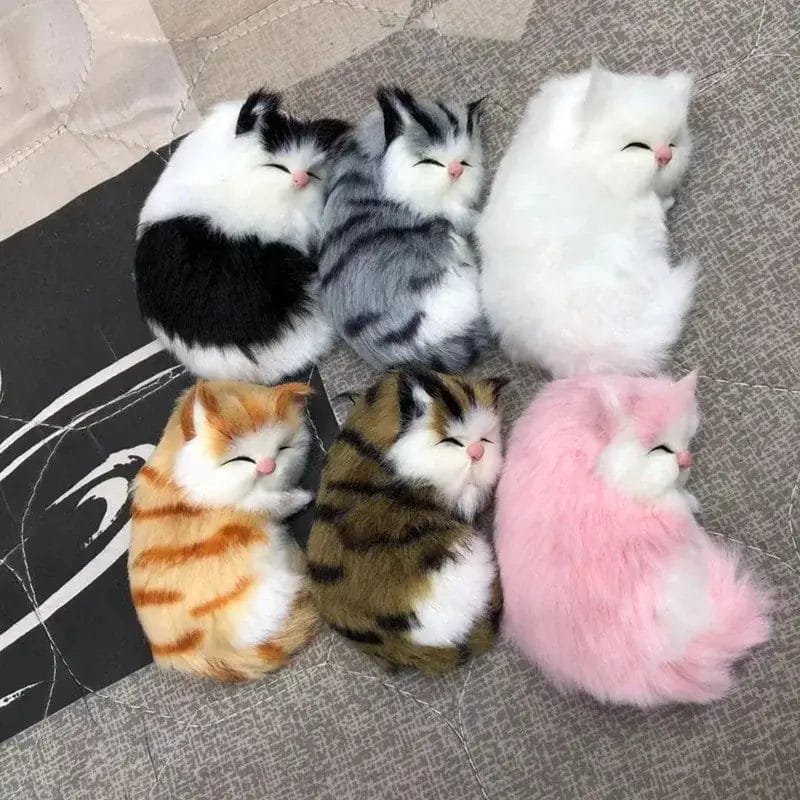
Bedtime Transitions and Safe Sleep Anchors
One of the greatest advantages of plush toys over plastic toys is their ability to bridge the gap between daytime active play and peaceful night-time sleep. Hard plastic toys with jagged corners and battery compartments cannot be cuddled under bed sheets. Attempting to sleep with plastic toys risks pinching skin or accidental sound activation in the middle of the night.
A soft plush companion, however, is designed specifically for full-body embraces. Holding a soft stuffed animal in bed relieves nighttime separation anxiety, provides physical comfort against darkness fears, and establishes a predictable sensory cue that signals the child’s brain that it is safe to sleep.
The Lifespan of Love: Why Stuffed Animals Become Heirlooms
Plastic toys are consumable products designed for short attention cycles. Once the novelty fades or the plastic joint snaps, they are tossed into recycling bins or landfills. In contrast, plush toys absorb personal memories, scents, and milestones. They accompany children to summer camps, high school graduations, university dorms, and first apartments, eventually becoming cherished family heirlooms presented to the next generation.
Creating a Balanced Playroom: When to Use Each Toy Type
While plush toys offer unparalleled emotional and sensory benefits, healthy child development thrives on balanced variety:
- Use Plush Toys for: Emotional regulation, empathy nurturing, dramatic storytelling, bedtime comfort, travel companionship, and sensory de-escalation.
- Use Building Plastics (Lego / Blocks) for: Spatial reasoning, architectural physics, fine motor pincher grip, and mathematical geometry.
- Avoid Over-Electronic Plastics: Minimize toys with passive screen interfaces or battery-operated soundboards that overpower a child’s natural imaginative initiative.
Give the Gift of Timeless Cuddle Comfort
Nurture imagination, empathy, and peaceful sleep with Australia’s favourite collection of ultra-soft, heirloom-quality plush toys. Certified baby-safe and crafted to last a lifetime.
Frequently Asked Questions (FAQs)
Why do children form stronger attachments to plush toys than plastic toys?
Plush toys provide tactile warmth (“contact comfort”) that releases oxytocin and calms the nervous system. Their neutral, soft faces allow children to project their own feelings and imaginary voices, creating deep reciprocal emotional bonds.
Are plush toys safer than plastic toys for toddlers?
Yes. Certified baby-safe plush toys have no sharp edges, rigid corners, small battery doors, or brittle plastic pieces that can snap into choking hazards when dropped, making them far safer for toddlers.
Do electronic plastic toys delay language development?
Pediatric studies indicate that noisy battery-operated electronic toys reduce the quality and quantity of parent-child verbal interaction compared to traditional open-ended play with plush toys and picture books.
Can a child have too many plush toys?
While plush toys are beneficial, having dozens scattered across a bed can create visual clutter. Keeping 2 to 4 primary cuddle companions in bed and rotating others from display shelves promotes better sleep hygiene and focused play.
How do plush toys help children develop empathy?
Caring for a plush toy (feeding it, bandaging pretend injuries, tucking it into bed) teaches children to consider another’s needs and perspective, which is the foundational milestone for empathy and Theory of Mind.
Why do adults keep their childhood plush toys?
Childhood plush toys act as tangible physical time capsules of emotional security, innocence, and cherished memories. Holding a childhood plushie provides instant nostalgic comfort and emotional grounding throughout adult life.
What makes a plush toy high-quality?
High-quality plush toys feature dense Minky or velboa fabrics, double-stitched reinforced seams, 100% embroidered facial details, resilient virgin PP cotton filling, and international non-toxic safety certifications.
How does tactile touch from plush toys affect emotional regulation?
Stroking soft plush fur stimulates C-tactile afferents in the skin, which lowers heart rate and suppresses the sympathetic “fight-or-flight” response, helping children de-escalate tantrums and anxiety naturally.
Conclusion: The Timeless Power of Soft Companionship
In an ever-accelerating world filled with plastic screens and digital noise, the humble plush toy remains an irreplaceable anchor of childhood innocence, empathy, and emotional warmth. By choosing soft stuffed companions over rigid plastic gadgets, you provide children with tools to build rich imaginative worlds and cultivate lifelong emotional resilience. Explore our timeless collection of cuddle companions at Plush Toys Australia today.