
Key Takeaways for Plush Toy Enthusiasts
- Definition & Scope: Plush toys, colloquially known as plushies, stuffed animals, or soft toys, are sewn textile figures stuffed with soft materials designed for comfort, play, collecting, and sensory grounding.
- Historical Evolution: Originating in the late 19th century with felt animals and popularised in 1902 by the simultaneous creation of the Teddy bear in Germany (Margarete Steiff) and the United States (Morris Michtom).
- Anatomy of Quality: Premium plush toys feature high-density exterior fabrics (such as Minky, velvet plush, or organic cotton) and resilient, hypoallergenic virgin PP cotton or micro-bead filling with reinforced double-stitched seams.
- Australian Standards: Safety compliance with AS/NZS ISO 8124 ensures non-toxic dyes, flame-resistant fibers, and secure embroidered or lock-washer facial features.
- Care Summary: Most plushies can be preserved for decades through gentle spot cleaning, occasional delicate machine washing in protective mesh bags, and air drying away from direct high heat.
Plush toys have captivated human hearts across every continent for well over a century. From the classic teddy bear that comforted generations of children during bedtime to the hyper-detailed anime collectibles, weighted sensory creatures, and whimsical food-inspired cushions adorning modern adult apartments, plush toys represent far more than simple playthings. They serve as emotional anchors, tactile comfort objects, artistic expressions, and lifelong nostalgic keepsakes.
Whether you are searching for the ideal sensory companion for a newborn, expanding your curated kawaii plush collection, looking for stress relief after a demanding workday, or seeking a thoughtful gift for a loved one, navigating the vast world of soft toys requires an understanding of materials, craftsmanship, safety guidelines, and ergonomic design. In this comprehensive guide, we delve into the rich history of plush toys, analyse every major plushie category, break down the science of high-grade fabrics, and provide practical decision frameworks so you can select the perfect stuffed companion.
A Brief History: How Plush Toys Conquered the World
Direct Answer: The modern plush toy industry began in 1880 when Margarete Steiff crafted felt elephants in Germany, followed by the breakthrough creation of the jointed “Teddy’s Bear” in 1902, inspired by US President Theodore Roosevelt. Over the 20th century, synthetic polyester and soft Minky fabrics transformed plushies into global cultural staples.
The origins of soft textile toys date back thousands of years to ancient Egyptian and Roman rag dolls crafted from scraps of linen, papyrus, and straw. However, the plush toy as we recognise it today—a three-dimensional, deeply tactile animal or character figure—emerged during the Industrial Revolution with advancements in mechanized sewing and textile manufacturing.
In 1880, German seamstress Margarete Steiff designed a small felt elephant pincushion. Children quickly adopted the soft felt creature as a beloved playmate, prompting Steiff to launch a dedicated soft toy company. By 1902, her nephew Richard Steiff designed the “Bear 55PB,” a jointed mohair plush bear. Simultaneously in Brooklyn, New York, shopkeeper Morris Michtom and his wife Rose created a plush bear dedicated to President Theodore Roosevelt following a widely publicised hunting incident where the President refused to shoot a captive black bear. The resulting “Teddy’s Bear” sparked an international sensation.
Throughout the mid-to-late 20th century, the introduction of synthetic plush fabrics, polyester fiberfill (PP cotton), and safety-locked plastic eyes made plush toys infinitely softer, washable, and accessible to families worldwide. In recent decades, the plush toy landscape has expanded exponentially, incorporating Japanese Kawaii culture, gaming franchises, weighted therapeutic designs, and bespoke designer collectibles.

Major Categories of Modern Plush Toys
Today’s plush toy market offers an astonishing variety of designs tailored for diverse age groups, aesthetic preferences, and developmental needs. Understanding these categories allows you to pinpoint the exact plushie that matches your lifestyle or gifting intentions.
1. Classic Stuffed Animals
Timeless favourites including teddy bears, puppies, kittens, bunnies, and woodland creatures. Classic stuffed animals emphasize gentle facial expressions, realistic or semi-realistic proportions, and velvety softness. They remain the gold standard for newborn nursery gifts, birthday surprises, and comforting bedtime rituals across Australia and the world.
2. Pop Culture & Anime Plushies
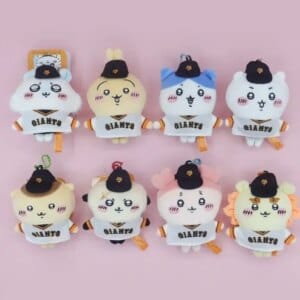
Representing characters from beloved anime series, video games, movie franchises, and cartoon universes. From Pokemon Fit mini plushies to Sanrio icons like Cinnamoroll and Kuromi, these plush toys feature intricate embroidery, authentic costume accessories, and character-accurate color palettes, making them prized collectibles for teens and adults alike.
3. Weighted & Sensory Plush Toys
Specifically engineered with non-toxic glass micro-beads or dense polymer pellets distributed evenly throughout the torso and limbs. Weighted plush toys deliver gentle Deep Pressure Stimulation (DPS), which triggers the nervous system to release calming neurotransmitters like serotonin and melatonin while decreasing cortisol levels.
4. Novelty & Food-Themed Plushies
Humorous and whimsical designs that transform everyday objects—such as boba milk tea cups, toasted croissants, sushi rolls, avocados, and smiling bread loaves—into ultra-squishy decorative pillows. Novelty plush toys have become wildly popular on social media platforms like TikTok and Instagram as quirky room accents and office desk companions.
5. Giant & Body Pillow Plushies
Ranging in size from 80cm to well over 150cm in length, giant plush toys function as functional loungers, ergonomic side-sleeping body pillows, and show-stopping statement pieces in bedrooms. Their massive surface area provides maximum huggability and comforting tactile support.
Plush Toy Fabric & Filling Comparison Matrix
The durability, tactile feel, and safety of any plush toy depend directly on its construction materials. Use the comparison table below to understand the strengths of various fabrics and fillings:
| Material / Component | Texture & Hand-Feel | Hypoallergenic Rating | Durability & Washability | Best Suited For |
|---|---|---|---|---|
| Minky (Microfiber Plush) | Silky, ultra-soft, short pile with subtle sheen | High (Synthetic, resistant to dust mites) | Excellent; machine washable on delicate | Baby blankets, sensory plushies, kawaii toys |
| Velboa (Faux Micro-Velvet) | Smooth, dense, velvet-like surface | High (Low shed, tight weave) | Very High; resistant to pilling | Character plushies, keychains, anime figures |
| Sherpa / Teddy Fleece | Textured, curly, warm, sheepskin-like feel | Moderate (Can trap lint over time) | Moderate; best hand-washed or mesh bag | Vintage-style bears, winter themed plushies |
| Organic Cotton Knit | Natural, breathable, soft matte texture | Superior (Chemical-free, zero synthetics) | High; gentle wash recommended | Infants, eczema-prone skin, eco-conscious homes |
| Virgin PP Cotton (Filling) | Lightweight, springy, cloud-like bounce | Superior (Odorless, mold-resistant) | High; re-fluffs easily after drying | Standard filling for 90% of quality plush toys |
| Glass Micro-Beads (Filling) | Dense, fluid, sand-like weight distribution | Superior (Inert, zero allergen risk) | Extreme; non-degrading over time | Therapeutic weighted plushies, sensory lap pads |
How to Choose the Perfect Plush Toy: A Step-by-Step Buying Guide
Selecting the ideal plush toy involves balancing age safety, intended usage, sensory preferences, and aesthetic appeal. Follow this 5-step evaluation process:
Step 1: Determine the Recipient’s Age and Safety Requirements
For babies under 36 months, safety is paramount. Ensure the plush toy complies with AS/NZS ISO 8124 standards, featuring 100% embroidered facial details rather than plastic button eyes that could present a choking hazard. For older children, teens, and adults, safety concerns shift toward durable seam stitching and fabric softness.
Step 2: Assess the Purpose (Cuddling, Decor, Sensory, or Collecting)
Are you looking for a squishy bedtime cuddle pillow, a weighted lap buddy for study sessions, or a rare anime mascot to display on a floating bookshelf? Bedtime companions require ultra-soft, washable fabrics like Minky, while display collectibles benefit from structured internal wire armatures and dense styling.
Step 3: Evaluate Size and Proportions
Plush toys range from pocket-sized 10cm keychains to sprawling 160cm body cushions. Consider where the toy will live:
- 10cm – 15cm (Mini / Keychain): Perfect for backpacks, car mirrors, desk cheer, and travel companions.
- 20cm – 35cm (Classic / Standard): The ideal size for toddler hugs, bedtime story companions, and easy transport.
- 45cm – 70cm (Medium / Pillow Size): Excellent sofa accents, reading backrests, and deep hug companions.
- 80cm – 150cm+ (Giant / Jumbo): Statement pieces for gaming rooms, nurseries, and full-body relaxation.

Step 4: Check Stuffing Density and Rebound
High-quality plush toys utilise three-dimensional hollow virgin PP cotton that rebounds immediately when squeezed. Avoid plushies that feel crunchy, overly stiff, or unevenly packed with hollow pockets, as low-grade recycled stuffing clumps quickly after washing.
Step 5: Review Care and Cleaning Labels
Ensure the plush toy includes clear wash instructions. If the plushie is intended for daily child play, verify that it can withstand gentle machine wash cycles or spot treatments without dye bleeding or fabric degradation.
Essential Cleaning & Maintenance for Long-Lasting Plushies
Proper maintenance keeps your plush toys fresh, fluffy, and hygienic for years of companionship. Follow these professional care tips:
- Regular Spot Cleaning: For minor spills, mix a few drops of mild wool wash or hypoallergenic baby shampoo in lukewarm water. Dip a soft microfiber cloth and gently dab the stain without soaking the inner filling.
- Machine Washing Protocol: Place the plush toy inside a zippered mesh laundry bag. Wash on a gentle, cold-water cycle using mild liquid detergent. Never use chlorine bleach or fabric softeners, which leave residue on plush fibers.
- Safe Drying Technique: Avoid high-heat tumble dryers, which can melt synthetic microfiber fur (“dryer burn”). Instead, gently squeeze excess moisture with a clean towel and air-dry in a well-ventilated, shaded area. Fluff with a wire pet slicker brush once dry to restore silky softness.
Find Your Next Cuddle Companion Today!
Explore Australia’s favourite collection of ultra-soft, premium-quality plush toys. From adorable capybaras and cuddly dinosaurs to weighted sensory plushies and rare pop culture collectibles, discover the ultimate companion with fast Australia-wide delivery.
Frequently Asked Questions About Plush Toys (FAQs)
What is the difference between a plush toy and a stuffed animal?
While the terms are used interchangeably in casual conversation, “plush toy” specifically refers to toys constructed with rich, soft plush textile fabrics (like Minky, velboa, or faux fur) with a velvety pile. “Stuffed animal” is a broader classification that includes traditional cloth rag dolls, knitted yarn creatures, and canvas figures regardless of surface texture.
Are plush toys safe for sleeping with newborns?
No. According to Australian safe sleeping guidelines (Red Nose Australia and SIDS prevention protocols), soft plush toys, pillows, and loose blankets should not be left in an infant’s cot during unsupervised sleep for the first 12 months. However, plush toys are wonderful for supervised tummy time, sensory awake play, and nursery room decor.
What does “PP Cotton” mean in plush toy descriptions?
PP Cotton stands for Polypropylene Cotton, a synthetic polyester fiber renowned for its lightweight elasticity, high fluffiness, mold resistance, and hypoallergenic properties. Virgin PP cotton is resilient, odorless, and retains its bouncy shape after repeated cuddling and gentle washing.
How do I eliminate dust mites and allergens from plush toys?
To eliminate dust mites without washing delicate vintage plushies, place the toy inside a sealed plastic bag and freeze it for 24 to 48 hours. The sub-zero temperatures kill dust mites. After removing, vacuum the plushie gently using an upholstery brush attachment to remove allergens.
Why do weighted plush toys help with anxiety and stress?
Weighted plush toys utilise Deep Pressure Stimulation (DPS), which applies gentle, distributed pressure across the body. This tactile input stimulates the parasympathetic nervous system, lowering heart rate and cortisol levels while stimulating the release of oxytocin and serotonin to induce deep emotional calm.
Conclusion: The Timeless Comfort of Quality Plush Toys
Plush toys occupy a uniquely cherished place in modern life. Whether providing comfort during early childhood developmental milestones, soothing sensory overload in neurodivergent individuals, or adding whimsical warmth to contemporary living spaces, quality soft toys are an enduring investment in emotional wellbeing.
When selecting your next companion, prioritize premium non-shedding fabrics, certified non-toxic fillings, robust seam construction, and ergonomic proportions. Explore our curated range at Plush Toys Australia and bring home a cuddle companion designed to bring joy for years to come.