
Key Insights: Adult Plushie Psychology & Wellbeing
- Mainstream Phenomenon: Industry studies show that over 43% of adult consumers own and regularly purchase plush toys for personal comfort, nostalgia, desk decor, and stress relief.
- Transitional Objects for Adults: Psychological research confirms that plushies function as effective emotional anchors, helping adults navigate loneliness, life transitions, grief, and workplace burnout.
- Neurochemical Benefits: Hugging a plush toy stimulates tactile C-tactile afferent nerves, triggering the release of oxytocin and serotonin while reducing systemic cortisol (the primary stress hormone).
- Sensory & Neurodiversity Support: Adults with ADHD, Autism Spectrum conditions, and sensory processing differences use tactile and weighted plush toys for emotional grounding and focus.
- Destigmatization: Social media communities and designer art toy movements have normalized plushie collecting as a celebrated form of self-care and interior design.
For decades, society operated under the outdated assumption that soft stuffed toys were strictly the domain of childhood nursery rooms. However, in recent years, a profound cultural and psychological shift has taken place across Australia and the globe. Today, millions of adults openly embrace plush toys as essential tools for mental wellbeing, tactile comfort, artistic self-expression, and stress relief.
From university students hugging weighted capybara plushies during exam weeks to corporate executives keeping miniature sensory mascots beside their dual monitors, the presence of plushies in adult lives is thriving. But what is the underlying science behind this phenomenon? Why does wrapping your arms around a soft, squishy textile companion provide such immediate emotional relief? In this in-depth exploration, we examine the psychological, neurological, and social mechanisms that make plush toys powerful allies for adult mental health, emotional resilience, and mindful living.
The Psychology of Transitional Objects in Adulthood
Direct Answer: Coined by psychoanalyst Donald Winnicott, “transitional objects” are items that provide psychological security during times of change or stress. In adulthood, plush toys continue this exact role, offering a dependable, non-judgmental source of sensory comfort during periods of isolation, career pressure, or emotional fatigue.
In 1951, renowned British paediatrician and psychoanalyst Donald Winnicott introduced the concept of the transitional object—a comforting blanket, toy, or fabric scrap that infants use to navigate the emotional transition from oneness with their caregiver to independent selfhood. Winnicott noted that these objects represent comfort, safety, and emotional continuity.
Modern psychologists recognize that the human need for transitional comfort does not vanish when we turn eighteen. Adult life is fraught with sudden transitions: moving to a new city, starting a high-pressure job, navigating relationship breakups, recovering from illness, or confronting global uncertainties. During these moments of vulnerability, a beloved plush toy acts as a tangible symbol of stability and unconditional comfort. It requires nothing from you, offers zero judgment, and provides an immediate physical presence of warmth and grounding.
Furthermore, developmental psychologists emphasize that maintaining an emotional attachment to comfort items in adulthood is a sign of high emotional intelligence and proactive self-soothing, rather than regression. Adults who utilize tactile comfort objects often demonstrate superior coping mechanisms during acute stress episodes compared to individuals who suppress emotional vulnerabilities.
The Neurological Science of Hugging: How Plushies Lower Cortisol
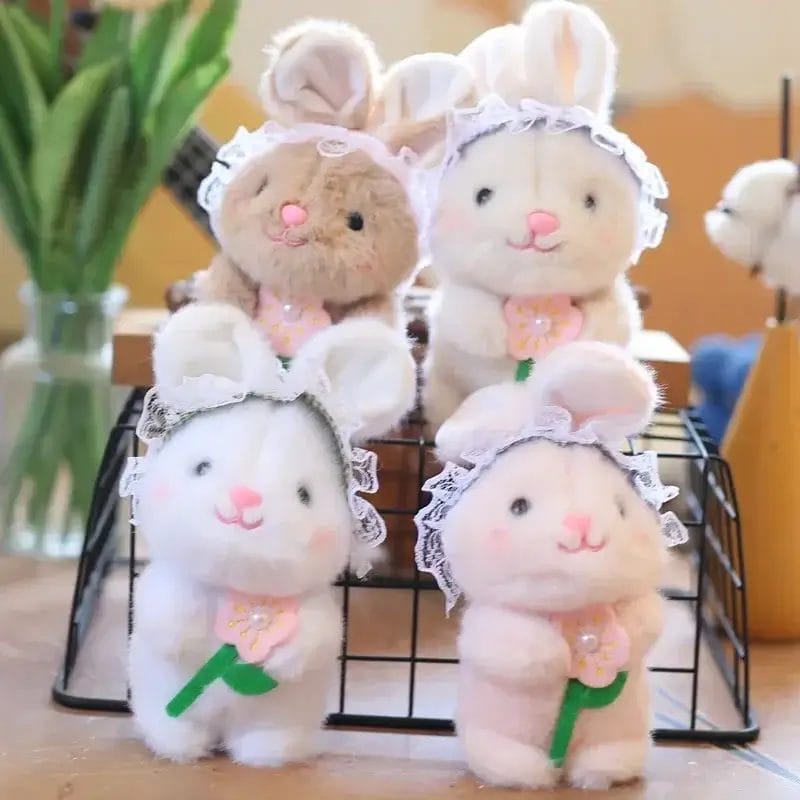
The calming effect of holding a plush toy is not purely psychological—it is deeply rooted in human neurobiology. When your fingers stroke ultra-soft textiles like Minky, micro-velboa, or plush fleece, specialized nerve fibers in the skin called C-tactile afferents are activated. These nerve fibers respond exclusively to gentle, slow tactile stimulation and project directly to the insular cortex, the brain region responsible for emotional processing and interoceptive awareness.
This tactile activation produces immediate physiological shifts across the central nervous system:
- Oxytocin Release: Known as the “bonding hormone,” oxytocin promotes feelings of safety, trust, and connection, softening feelings of loneliness and existential isolation.
- Cortisol Suppression: Deep hugging activates the parasympathetic nervous system (“rest and digest”), lowering resting heart rate, relaxing tense shoulder and neck muscles, and decreasing circulating cortisol levels by up to 25% within minutes.
- Dopamine and Serotonin Elevation: The tactile satisfaction and visual cuteness (kindchenschema) of plushies stimulate dopamine and serotonin pathways, gently elevating mood and restoring cognitive equilibrium.
- Vagal Nerve Stimulation: Hugging a plush toy against the upper chest gently compresses the chest wall, stimulating the vagus nerve and enhancing heart rate variability (HRV), a key clinical marker of stress resilience.
Adult Benefits of Plush Toys: Mental Health Breakdown
The table below breaks down the specific therapeutic and emotional benefits that adult plushie enthusiasts experience across various everyday scenarios:
| Use Case / Scenario | Primary Psychological Mechanism | Recommended Plushie Type | Expected Wellness Outcome |
|---|---|---|---|
| Workplace & Study Burnout | Micro-break grounding & tactile fidgeting | Desk-sized plushies, Capybara keychains, squishy bread toys | Reduced screen fatigue, restored focus, lowered acute stress |
| Insomnia & Bedtime Restlessness | Proprioceptive input & sleep posture alignment | Weighted plush toys (1.5kg – 2.5kg), giant body plushies | Faster sleep onset, deeper REM cycles, spinal support |
| Anxiety & Panic Episodes | Deep Pressure Stimulation (DPS) & sensory anchoring | Heavy weighted lap plushies, ribbed sensory creatures | Rapid heart rate stabilization, grounded emotional state |
| Loneliness & Remote Living | Parasocial warmth & environmental softening | Classic teddy bears, life-sized animal companions | Enhanced feelings of companionship and domestic coziness |
| Grief & Trauma Recovery | Somatic holding & emotional externalization | Memory plushies, oversized bear companions | Safe emotional expression, soothing tactile release |
Plush Toys in Neurodivergent Lives: ADHD and Autism Support
For neurodivergent adults, plush toys are often indispensable sensory regulation tools. Individuals with Attention Deficit Hyperactivity Disorder (ADHD) frequently experience physical restlessness and difficulty sustaining attention during prolonged cognitive tasks. The tactile fidgeting provided by squishy, textured, or multi-fabric plush toys during long meetings, phone calls, or study sessions offers a silent outlet for excess motor energy, helping maintain steady dopamine levels without disrupting colleagues.
For autistic adults and individuals with Sensory Processing Sensitivity (SPS), modern environments pose constant threats of sensory overload. Harsh fluorescent lighting, rough office fabrics, traffic noise, and crowded social spaces deplete cognitive energy. Returning home to a soft, predictable plushie provides immediate sensory soothing. The consistent texture, familiar scent, and gentle resistance of high-density memory foam or PP cotton offer a reliable sanctuary of calm.
The Collector’s Journey: Why Plushies Are Modern Art & Decor
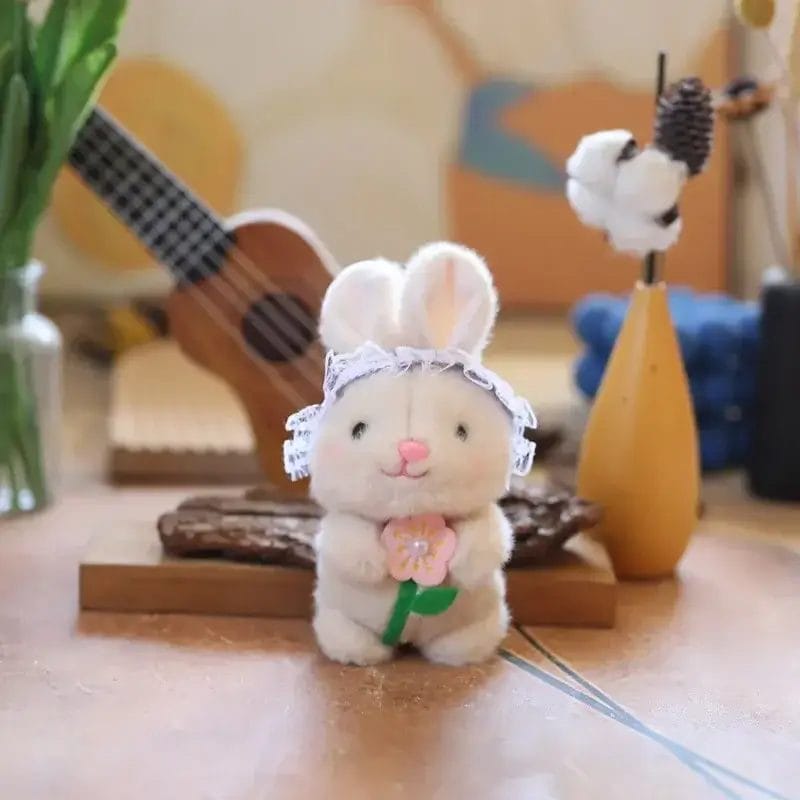
Beyond therapy and comfort, adult plush collecting has blossomed into a sophisticated global subculture. Modern adult collectors appreciate the design philosophy, textile engineering, and intricate storytelling behind limited-edition plushies. Pop culture franchises, Japanese kawaii design houses (such as Sanrio, Studio Ghibli, and Pokemon Company), and independent indie toy artisans create plush toys that are undeniably works of textile art.
Displaying plush toys on curated floating oak shelves, styling them alongside potted monsteras and trailing pothos plants, or incorporating neutral-toned giant plushies into minimalist Scandinavian living rooms allows adults to celebrate playfulness without compromising interior elegance. It represents a refreshing rebellion against sterile, monochrome minimalism—a proud declaration that a home should be joyful, tactile, warm, and comforting.
How to Curate an Adult Plushie Sanctuary at Home
If you are building your personal collection of comfort plushies, consider these styling and curation strategies:
- Establish Functional Zones: Assign specific plushies to distinct tasks. Keep a compact, textured plushie on your desk for work focus, a weighted 2kg animal on your living room sofa for evening decompression, and a soft body pillow plushie in bed for ergonomic sleep support.
- Select Harmonious Color Schemes: Choose plush toys that complement your existing home aesthetic. Muted pastels, earthy tones, cream, sage green, and warm taupe blend seamlessly into contemporary adult interiors.
- Prioritize Tactile Variety: Combine different fabric textures in your collection—smooth Minky, ribbed corduroy, plush sherpa, and slow-rebound memory foam—to cater to diverse sensory needs throughout the week.
- Practice Mindful Rotation: If your collection grows large, rotate display pieces seasonally. This keeps your living space organized while allowing you to rediscover the joy of each companion throughout the year.
Treat Yourself to Everyday Comfort
You deserve a space filled with warmth, softness, and joyful calm. Browse our hand-picked range of sensory, weighted, and pop-culture plush toys crafted with ultra-luxe fabrics designed for adults and teens.
Frequently Asked Questions (FAQs)
Is it normal for adults in their 20s, 30s, and beyond to have plush toys?
Yes, absolutely. Extensive consumer surveys indicate that over 40% of adults sleep with or display soft plush toys in their homes. Stuffed animals are widely recognized by psychologists as healthy, non-destructive tools for emotional regulation, anxiety reduction, and comforting home decor.
Can sleeping with a plush toy improve adult sleep quality?
Yes. Side-sleeping with a medium or giant plush toy provides ergonomic support by keeping the upper arm and shoulder aligned, preventing chest compression and relieving lower back strain. Furthermore, the tactile comfort lowers evening cortisol, encouraging a faster transition into deep sleep.
What type of plush toy is best for daytime desk stress?
Compact plush toys (12cm to 20cm) with slow-rebound memory foam filling or micro-bead stuffing are ideal for office and study desks. Items like Capybara plush wrist rests, squishy food plushies, or tactile keychain companions offer discrete, silent stress relief during intense work sessions.
How do I display plush toys tastefully in an adult apartment?
To integrate plushies tastefully into adult decor, choose complementary color palettes that match your interior accents, use floating wooden wall shelves, style them in macrame hanging organizers, or place a single oversized statement plushie in a reading armchair.
Are weighted plush toys better than weighted blankets?
Both serve similar functions, but weighted plush toys offer targeted pressure without trapping excess body heat. A weighted plushie can be placed precisely across the chest, shoulders, or lap while working, reading, or watching TV, offering portability that full-sized weighted blankets cannot match.
Why do people form deep emotional bonds with stuffed animals?
Humans are biologically wired to respond to soft textures and neotenic facial proportions (large eyes, rounded features). Stuffed animals provide a consistent, non-judgmental presence that absorbs our emotions, memories, and vulnerability without fear of rejection or conflict.
Final Thoughts: Embracing Joy and Softness
In a fast-paced, high-stress world, finding comfort in the simple, tactile warmth of a plush toy is an act of genuine self-care. There is no age limit on coziness, nostalgia, and emotional wellbeing. Embrace the softness, surround yourself with companions that bring you peace, and explore the curated collections at Plush Toys Australia.