
Collector’s Guide Summary: Pop Culture & Anime Plushies
- Booming Subculture: Anime and gaming plushies have evolved from niche Japanese merchandise into mainstream global collectibles, commanding high collector demand and significant secondary-market appreciation.
- Top Franchises: Leading categories include Nintendo (Pokemon Fit, Mario, Kirby), Sanrio (Cinnamoroll, Kuromi, My Melody), Touhou Project (Fumo dolls), Studio Ghibli, Genshin Impact, and Shonen Jump anime.
- Authentication Factors: Genuine collectibles feature licensed holographic swing tags, branded fabric tush tags, crisp embroidery registration, and precise Pantone color matching.
- Preservation Best Practices: Protect collectible plushies from UV sunlight fading, store in low-humidity environments (40-55% RH), use acrylic dust display cases, and preserve original paper tags.
- Display Aesthetics: Grid pegboards, LED-illuminated floating glass shelves, and tiered acrylic risers allow collectors to showcase their collections without causing fabric creasing or dust accumulation.
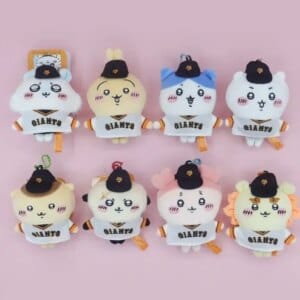
Over the past two decades, the global toy landscape has witnessed an extraordinary evolution: plush toys are no longer just soft nursery companions—they are prized pop culture collectibles, high-end design objects, and badges of fandom. From the manicured claw machines of Akihabara in Tokyo to collector conventions in Sydney and Melbourne, anime, video game, and pop culture plushies represent one of the most vibrant and passionate collector subcultures in modern retail.
Whether you are tracking down a rare Touhou Project Fumo doll, assembling the complete generation of Pokemon Fit plushies, curating a pastel-perfect Sanrio shelf, or searching for iconic Nintendo gaming plushies, collecting soft toys requires an eye for authenticity, craftsmanship, fabric care, and aesthetic presentation. In this ultimate collector’s handbook, we explore the history of pop culture plushies, teach you how to authenticate rare releases, break down top collectible lines, examine Japanese crane game prize dynamics, and provide archival preservation techniques to protect your collection for decades to come.
The Evolution of Anime & Gaming Plushies: From Arcade Prizes to Art Objects
Direct Answer: Pop culture plushies began in the 1980s as Japanese UFO catcher arcade prizes (known as “UFO Catcher Prize Plush”) produced by Sega and Banpresto. Today, they have expanded into premium retail lines, limited-edition designer collaborations, and highly detailed poseable textile art.
In Japan, the phenomenon began in amusement arcades during the mid-1980s. Companies like Sega, Taito, and Banpresto realized that creating limited-edition plush toys of popular anime characters and video game mascots (such as Sonic the Hedgehog, Dragon Ball Z characters, and Super Mario) drove tremendous arcade engagement. These “prize plushies” (kuji and crane prizes) were deliberately produced in limited production windows, naturally establishing scarcity and collector culture.
By the late 1990s and early 2000s, the international explosion of the Pokémon franchise cemented gaming plush toys into global consciousness. The concept of “catching them all” translated seamlessly into physical plush collecting. Today, major Japanese animation studios and gaming giants collaborate with premier textile artisans to produce micro-detailed plush toys featuring embroidered blush lines, magnetic poseable hands, removable apparel, and custom accessories.
Furthermore, the emergence of the Ichiban Kuji lottery system transformed how collectors interact with plush releases. Fans purchase lottery tickets at convenience stores and hobby shops for a chance to win exclusive “A-Prize” giant plushies or rare “Last One Prize” variants that are never sold in traditional retail stores, fueling a thriving global secondary market.
Major Pop Culture Plush Lines Every Collector Should Know
| Franchise / Line | Signature Design Style | Collector Appeal & Rarity | Typical Size Range |
|---|---|---|---|
| Pokemon Fit / Sitting Cuties | Micro-bead weighted bottoms, palm-sized, 100% Pokedex coverage | High; extensive regional variants, rapid sellouts of rare species | 10cm – 16cm |
| Sanrio (Cinnamoroll, Kuromi) | Pastel aesthetics, ultra-soft Minky fur, seasonal themed costumes | Very High; massive global demand, limited Halloween/Xmas editions | 15cm – 45cm |
| Touhou Project (Fumo Fumo) | Iconic sitting posture, felt hair details, oversized anime eyes, hand-stitched look | Extreme; legendary holy grail status in the anime community | 20cm (Series 1 & 1.5) |
| Super Mario & Nintendo Mascots | Vibrant primary colors, dense velboa fabric, character-accurate proportions | Moderate to High; timeless nostalgic appeal across all generations | 18cm – 50cm |
| Cotton Dolls / Idol Plush (20cm) | Interchangeable fashionable wardrobes, skeleton poseable armatures | High; bespoke DIY customization and fashion styling subculture | 10cm – 20cm |
The Subculture of 20cm Cotton Dolls and DIY Customization
One of the most fascinating recent movements in plush collecting is the rise of 20cm Cotton Dolls (Idol Plush). Originating within East Asian idol fandoms, these standardized humanoid plushies feature chibi proportions, embroidered anime eyes, and plush faux hair. What began as fan merchandise has exploded into a multi-million-dollar hobby ecosystem.
Collectors treat Cotton Dolls like high-fashion mannequins:
- Skeletal Armatures: Many collectors surgically insert plastic ball-and-socket internal skeletons through back seams, allowing the doll’s arms, legs, and spine to hold dynamic sitting, standing, and waving poses.
- Blushing & Face Styling: Using soft artists’ pastels and makeup brushes, collectors apply gentle pink blush gradients to doll cheeks, knee joints, and ear tips for lifelike warmth.
- Haute Couture Wardrobes: An extensive designer cottage industry produces miniature hoodies, tailored suits, leather boots, berets, and glasses scaled precisely for 20cm plush bodies.
How to Spot Bootlegs vs. Authentic Collectible Plushies
With high collector demand comes a flood of unauthorized counterfeit (“bootleg”) plush toys. Use this 5-point authentication guide before purchasing:
1. Inspect the Swing Tag and Holographic Seal
Official merchandise (such as Pokemon Center, Sanrio, or Gift/AmiAmi) includes high-resolution cardstock swing tags with crisp copyright typography, UPC barcodes, and often a micro-embossed holographic licensing sticker. Counterfeit tags are often blurry, misspelled, or printed on flimsy thin paper.
2. Analyze Seam Symmetry and Embroidery Quality
Authentic anime plush toys utilize high-density industrial computerized embroidery. Eyes, mouths, and blush spots will feature tight, uniform stitches without loose hanging threads. Bootlegs frequently show sloppy, misaligned facial embroidery where pupils are asymmetrical or colors bleed outside the borders.
3. Check Fabric Texture and Density
Authentic makers use custom-dyed, short-pile velboa or premium micro-fleece that feels luxurious and dense to the touch. Bootlegs frequently substitute cheap, shiny synthetic polyester that feels rough, sheds easily, and reveals thin backing fabric when brushed against the grain.
4. Verify Fabric Tush Tag Registration
Every genuine licensed plush toy contains a sewn-in fabric label (tush tag) detailing the copyright owner (e.g., “©Nintendo / Creatures / GAME FREAK”, “©SANRIO CO., LTD.”), country of origin, and safety certification codes. Bootlegs often have generic blank tags or incorrect font typography.
Archival Preservation: Protecting Your Collection from Damage
Plush textiles are vulnerable to light, moisture, and dust. Follow these museum-grade preservation tips:
- Prevent UV Fading: Never display collectible plushies in direct sunlight or beside unshaded windows. UV rays permanently bleach dyed polyester and make delicate fabric fibers brittle. Use UV-filtering window film or display in ambient LED-lit rooms.
- Control Humidity: Maintain room humidity between 40% and 55%. High humidity promotes mildew in inner PP cotton fillings, while extreme dryness can make vintage synthetic leathers flake.
- Tag Preservation: Serious collectors use clear acrylic tag protectors (similar to trading card top loaders) to prevent paper swing tags from creasing, bending, or tearing off the fabric loop.
- Dust Mitigation: House high-value grails inside enclosed glass cabinets (like IKEA Detolf / Blaliden) or individual magnetic acrylic display cases. For open shelving, dust gently every two weeks using a clean, soft makeup powder brush.
Expand Your Anime & Gaming Collection
Level up your shelf aesthetic with authentic, ultra-soft pop culture, anime, and gaming plush toys. Shipped safely with reinforced packaging across all of Australia.
Frequently Asked Questions (FAQs)
Do plush toys increase in value over time?
Yes, certain limited-edition pop culture plushies, convention exclusives, and discontinued anime lines (such as original Touhou Fumos, limited Pokemon Center releases, and Sanrio collaborations) regularly appreciate in secondary market value, sometimes multiplying their original retail price by 3x to 10x if kept mint with original tags.
Should I remove the paper tags from collectible plushies?
If you plan to collect for long-term value, keep the original swing tags attached and encase them in a plastic tag protector. For plushies intended for daily desk cuddles, sleep, or travel, carefully remove the tag and store it in a collector binder.
How do I clean a dusty collector plush toy without washing it?
Do not submerge rare collectibles in water unless absolutely necessary. Instead, use a low-suction handheld vacuum with a micro-mesh nozzle cover, or gently brush the fur with a soft baby hairbrush. For stubborn surface grime, use a lightly dampened microfiber cloth with purified water.
What is a “20cm Cotton Doll”?
A 20cm Cotton Doll (also known as an idol doll or kpop doll) is a standardized 20cm humanoid plush figure popularised in East Asia. They feature embroidered anime faces, soft plush skin, poseable skeletal armatures, and an enormous ecosystem of interchangeable designer miniature clothing.
What does “sitting cutie” mean in Pokemon plush collecting?
“Sitting Cuties” is the North American and international branding for the Japanese “Pokemon Fit” line—a massive collection of palm-sized plushies designed with weighted pellet bases that allow every single Pokemon from all generations to sit upright on shelves.
How can I safely ship a rare plush toy to a buyer?
Place the plush toy inside a sealed waterproof polybag to protect against moisture. Wrap tag protectors around swing tags, and box the plushie in a sturdy rigid cardboard carton with bubble wrap. Never vacuum-seal rare plushies with delicate wire skeletons or felt hair, as vacuum compression can permanently crease structured parts.
Why are Japanese arcade plushies called “Prize Plush”?
Prize plushies (Keihin) are manufactured specifically for claw crane machines and amusement games in Japan. By law, they are not sold directly in Japanese retail stores, which creates artificial scarcity and makes them highly sought after by international collectors.
Conclusion: The Passion of Pop Culture Plush Collecting
Collecting anime, gaming, and pop culture plush toys bridges the gap between digital fandom and physical comfort. Each plushie captures the personality of a beloved character, offering tangible joy and aesthetic pride to your workspace and home. Explore the latest arrivals and rare finds at Plush Toys Australia and build your dream collection today.