Plush Materials Quick Reference Guide
- Exterior Fabrics: Minky (microfiber plush) leads the industry for softness and durability; Velboa offers short, non-shedding velvet textures; Sherpa provides rustic woolly curls; Organic Cotton is ideal for sensitive infant skin.
- Primary Fillings: Virgin 3D Hollow PP Cotton is the gold standard for bouncy, hypoallergenic resilience; Memory Foam Flakes offer heavy slow-rebound squish; Glass Micro-Beads provide fluid therapeutic weight.
- Hypoallergenic Standards: Synthetic polyester fibers (like Minky and PP cotton) do not absorb moisture or organic dander, making them naturally resistant to dust mites, mildew, and common allergens.
- Seam Reinforcement: High-quality plush construction uses 4-thread overlock stitching and internal reinforcement tapes along stress points to prevent bursting under tension.
- Eco-Innovations: Recycled PET (rPET) fibers crafted from recycled plastic bottles now match virgin polyester in softness while reducing landfill waste by up to 70%.
When you hold a plush toy, your first impression is defined entirely by its materials: the silky glide of its surface fur, the springy bounce of its interior stuffing, and the satisfying density of its weight. Yet behind that simple sensation of softness lies a sophisticated world of textile engineering and material science. The choice of exterior fabric and interior filling determines not only how cuddly a toy feels, but also its durability, washability, hypoallergenic safety, and environmental footprint.
Whether you are a discerning parent seeking eczema-safe nursery toys, a collector evaluating seam longevity, or a plushie enthusiast curious about what makes modern stuffed animals so irresistibly squishy, understanding plush materials empowers you to make informed purchases. In this comprehensive guide, we dissect every major exterior textile, explore the science of modern fillings, examine chemical safety testing, and provide expert tips for evaluating plush quality like an industry professional.
The Anatomy of a Plush Toy: Exterior Shell vs. Interior Core
Direct Answer: A plush toy consists of two primary systems: the exterior textile shell (which dictates tactile hand-feel, appearance, and tear resistance) and the interior filling core (which dictates squishiness, rebound elasticity, weight, and ergonomic support).
To evaluate a plush toy accurately, we must analyze both components separately and examine how they interact under repeated cuddling, tension, and washing cycles. The interaction between the shell’s tensile stretch and the filling’s internal rebound pressure is what creates the perfect plushie silhouette that maintains its form over years of affection.
In high-grade manufacturing, the exterior shell is cut with precision laser tooling to follow fabric grain direction, ensuring that the pile brushes smoothly from head to tail. Internal seams are stitched with high-tensile polyester threads and reinforced with interior bias binding tape along joints and necklines to absorb pulling forces when children play tug-of-war.
Deep Dive: Exterior Plush Fabrics Decoded
| Fabric Type | Composition & Pile Height | Tactile Sensation | Pros & Advantages | Care Considerations |
|---|---|---|---|---|
| Minky (Micro-Plush) | 100% Polyester microfiber (2mm – 5mm pile) | Silky, cloud-soft, velvety with gentle directional sheen | Extreme softness, zero shedding, resistant to pilling | Must avoid high dryer heat; cold wash only |
| Velboa (Faux Micro-Velvet) | 100% Polyester knit (1mm – 2mm ultra-short pile) | Smooth, dense, suede-velvet finish | Exceptional durability, holds crisp embroidery and prints | Highly resilient; machine washes effortlessly |
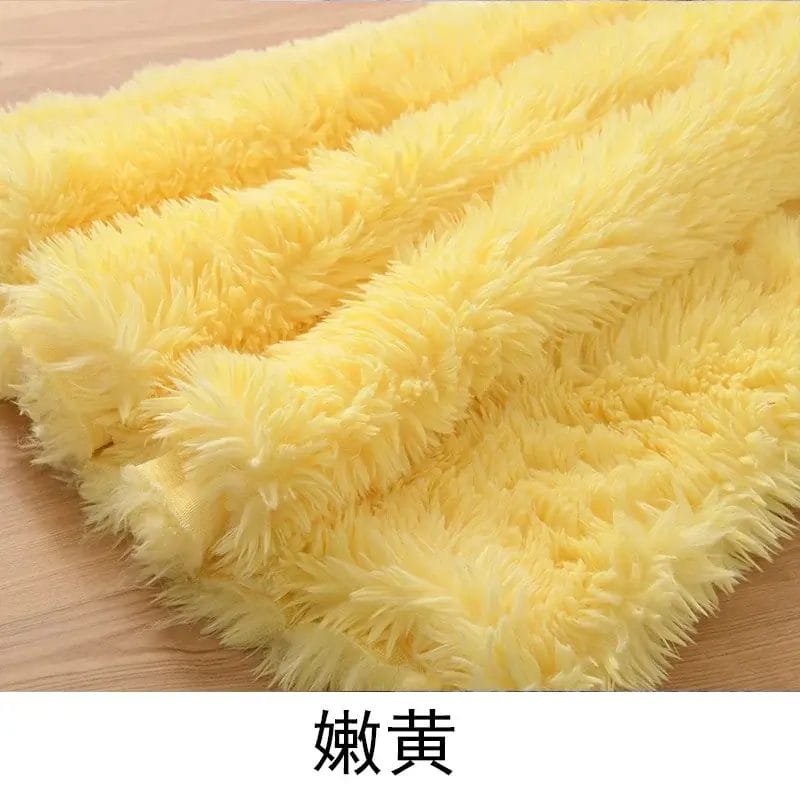
| Sherpa / Teddy Fleece | Polyester/Acrylic blend (4mm – 8mm curly pile) | Textured, curly, warm, sheepskin-like | Nostalgic heirloom aesthetic, rich tactile warmth | Can trap lint over time; gentle brushing needed |
| Long Faux Fur | Acrylic/Modacrylic (15mm – 40mm long pile) | Fluffy, realistic animal fur feel | Stunning visual display, dramatic aesthetic realism | Hand wash recommended; brush with pet slicker brush |
| Organic Cotton / Bamboo Knit | 100% GOTS Organic Cotton or Bamboo Jersey | Natural, matte, breathable, t-shirt softness | 100% Biodegradable, zero synthetic microplastics, hypoallergenic | Gentle wash; air dry flat to prevent shrinkage |
The Science of Fillings: What’s Inside Your Plush Toy?
The interior filling governs how a plush toy responds when squeezed. Let’s examine the three most common filling materials in modern plush manufacturing:
1. 3D Hollow Conjugated Virgin PP Cotton
Polypropylene (PP) cotton is the undisputed champion of the plush toy industry. “3D Hollow Conjugated” means that each microscopic polyester fiber is extruded like a microscopic spiral spring with an empty air channel in its center. When compressed, these microscopic springs push back immediately, giving high-grade plushies their bouncy, cloud-like rebound. Virgin PP cotton is completely odorless, chemically inert, non-toxic, and naturally hydrophobic (resisting moisture, mold, and dust mite colonization).
2. Memory Foam Flakes & Slow-Rebound Polyurethane
Popularised by modern squishy novelty pillows and Japanese “mochi” plush toys, shredded high-density memory foam provides a dense, dough-like texture. Unlike springy PP cotton, memory foam conforms slowly to the contour of your hands or body and takes 2 to 3 seconds to recover its shape, delivering a deeply grounding tactile sensation.
3. Glass Micro-Beads vs. Poly-Pellets
For weighted plush toys and sitting bean-bottom plushies, small beads are used to add ballast. High-end toys utilize smooth, non-porous glass micro-beads sewn inside double-lined safety pouches. Glass beads offer superior density over plastic poly-pellets, allowing the toy to feel heavy and fluid without requiring awkward bulk.
Chemical Safety & Non-Toxic Dye Certifications
Because children and infants regularly cuddle and mouth plush toys, chemical safety is as vital as physical construction. Reputable plush toy manufacturers adhere to stringent international chemical safety standards:
- OEKO-TEX Standard 100 (Product Class I): Guarantees that every single component—outer fabric, sewing threads, embroidery floss, zippers, and filling—is independently tested and verified free from over 300 regulated harmful substances, including formaldehyde, pesticides, chlorinated phenols, and heavy metals.
- Azo-Dye Free Verification: Azo colorants that can break down into carcinogenic aromatic amines are strictly banned under Australian trade standards and European REACH directives. High-grade plushies use non-toxic, water-based reactive dyes that bond permanently to synthetic polymers without leaching.
- BPA & Phthalate-Free Plastics: Internal joint skeletons, plastic noses, and safety-lock washers must be certified non-toxic and phthalate-free to avoid endocrine disruption during oral exploration.
Sustainability in Plush Toy Manufacturing: The rPET Revolution
As environmental awareness grows, leading plush toy manufacturers are transitioning towards circular economy materials. The most significant breakthrough is rPET (Recycled Polyethylene Terephthalate). Post-consumer plastic water bottles are collected, thoroughly sterilized, melted, and spun into ultra-soft microfiber plush yarn and fluffy fiberfill.
A standard 30cm plush toy made from rPET diverts approximately 12 to 16 plastic bottles from oceans and landfills. Crucially, modern recycling technology ensures that rPET plush toys match virgin polyester in tactile softness, hypoallergenic ratings, and wash durability, allowing conscious consumers to enjoy guilt-free cuddles.
5-Step Quality Inspection: How to Spot Premium Craftsmanship
- The Stretch & Seam Test: Gently pull two fabric panels apart along a seam. The stitching should remain tight and invisible. If you see open gaps or white thread pulling through, the stitch count per inch is substandard.
- The Pinch & Rebound Test: Squeeze the plush toy firmly between both hands, then release. A premium plushie will rebound to full volume in under one second without permanent denting.
- The Friction Rub Test: Rub the surface fur briskly with your dry palm. High-quality Minky or velboa produces zero lint or loose fuzz balls.
- The Symmetry Check: Look at the toy straight on from the front. Ears, eyes, and limbs should be evenly aligned and securely balanced.
- The Smell Test: Fresh out of the package, a high-quality plush toy should have virtually zero chemical, solvent, or petroleum odor.
Experience Premium Fabric Craftsmanship
Discover plush toys crafted with the world’s finest Minky microfibers, resilient virgin PP cotton, and certified non-toxic dyes. Cloud-soft cuddles delivered Australia-wide.
Frequently Asked Questions (FAQs)
What is Minky fabric and why is it so popular for plush toys?
Minky is a premium 100% polyester microfiber knit fabric known for its extraordinary silky softness, subtle luster, and short velvety pile. It is naturally hypoallergenic, resistant to pilling and shedding, and retains its cloud-like softness through repeated gentle wash cycles.
Is PP cotton safe for babies and toddlers?
Yes. Virgin PP (Polypropylene) cotton is chemically inert, non-toxic, odorless, and completely free of latex, formaldehyde, and heavy metals. Its synthetic nature makes it hostile to dust mites and mold, making it the safest filling for infants and allergy sufferers.
What causes plush toys to become lumpy over time?
Lumping occurs when low-grade recycled polyester fibers tangle and bind together from body moisture, pressure, and improper washing. High-grade 3D hollow virgin PP cotton resists clumping and can be easily re-fluffed after air drying.
Can I wash a plush toy made with memory foam?
Plushies filled with solid memory foam chunks should only be spot-cleaned. Submerging memory foam in water can cause the cellular foam structure to break down and take days to dry, risking internal mildew.
Are plush toys made from recycled plastic bottles (rPET) just as soft as virgin polyester?
Yes! Advanced textile extrusion processes create rPET microfibers that are identical in diameter, tactile softness, and tensile strength to virgin polyester fibers, while significantly reducing environmental waste.
How do I stop plush toys from shedding fur?
High-quality plush toys made with dense knitted backings rarely shed. If a new faux fur plushie has loose surface fibers from factory cutting, gently brush the toy with a wire pet slicker brush or run a sticky lint roller across the surface once.
Why are synthetic fabrics preferred over natural wool for children’s plush toys?
Synthetic polyester microfibers are inherently hypoallergenic, resistant to dust mites, machine washable, and do not shrink when wet. Natural wool, while eco-friendly, can trigger lanolin allergies in sensitive children, can shrink when washed in warm water, and requires specialized dry care to prevent moth damage.
Conclusion: The Art and Science of Lasting Softness
The magic of a great plush toy lies in the harmonious marriage of premium surface textiles and resilient, safe fillings. When you invest in plush toys crafted from high-grade Minky, durable velboa, and virgin 3D hollow PP cotton, you are choosing companions engineered to provide comforting warmth and beauty for a lifetime. Explore the premium selection at Plush Toys Australia today.