Pet Plush Toy Safety & Selection Highlights
- Human vs. Pet Plush Difference: Human plush toys often contain hard plastic eyes, glued noses, and loose internal foam/pellets that pose severe gastrointestinal obstruction hazards for pets.
- Reinforced Construction: Durable dog plushies feature rip-stop ballistic nylon inner linings, double-stitched Kevlar thread seams, and puncture-resistant squeakers.
- Canine Instinct Fulfillment: Soft squeaky plushies satisfy the predatory “catch-and-shake” instinct safely without promoting destructive chewing on household furniture.
- Cat Engagement: Feline plushies incorporate catnip/silvervine infusions, ultra-lightweight prey silhouettes, and crinkle membranes to stimulate batting and bunny-kicking.
- Sanitation Protocols: Pet plushies must be machine-washed regularly on hot cycles using pet-safe, fragrance-free laundry detergents to eliminate saliva bacteria and dust mites.
There are few sights more heartwarming than watching a golden retriever gently carrying its favourite soft duck across the living room, or observing a playful kitten bunny-kicking a catnip-infused plush mouse. Companion animals possess deep emotional and instinctual connections to soft textures. For pets, plush toys are not just playthings—they provide mental stimulation, comfort during thunderstorm anxiety, outlets for hunting instincts, and soothing surrogates for maternal bonding.
However, not all plush toys are created equal. Giving your pet a standard human plush toy can lead to dangerous emergencies if plastic eyes or toxic stuffing are swallowed. Understanding the vital differences between human and pet-engineered plushies, choosing bite-appropriate materials, understanding breed-specific play styles, managing multi-pet dynamics, and implementing strict safety inspections are essential responsibilities for every pet owner. In this comprehensive pet plush guide, we examine canine and feline play psychology, dissect chew-resistant construction technologies, and help you select safe, engaging plush companions for your furry family members.
Why Pets Love Plush Toys: Canine & Feline Psychology
Direct Answer: Dogs love plush toys because their soft textures and internal squeakers trigger instinctual predatory motor patterns (foraging, capturing, and gentle retrieving). Cats love plushies because lightweight shapes and catnip scents mimic natural bird and rodent prey, encouraging batting, pouncing, and soothing self-grooming.
Veterinary behaviorists divide pet interaction with plush toys into three primary behavioral categories:
- The Gentle “Cuddler & Motherer”: Many breeds (such as Golden Retrievers, Labradors, and Cavalier King Charles Spaniels) carry plushies tenderly in their mouths, sleep with their chins resting on them, and groom their fur. This behavior satisfies ancestral soft-mouth retrieving instincts and provides profound emotional reassurance.
- The Enthusiastic “Shaker & Hunter”: Terriers and working breeds instinctively grab plush toys and shake them vigorously side-to-side. The high-pitched squeaker inside mimics the sound of small prey, delivering a natural dopamine surge that exhausts excess pent-up mental energy and reduces boredom barking.
- The Dedicated “Dissector”: Power chewers (such as Staffies, German Shepherds, and Boxers) view a plush toy as a puzzle to be systematically dissected, seeking out seams to extract the squeaker and internal stuffing. For these dogs, specialized chew-shielded plushies are non-negotiable.
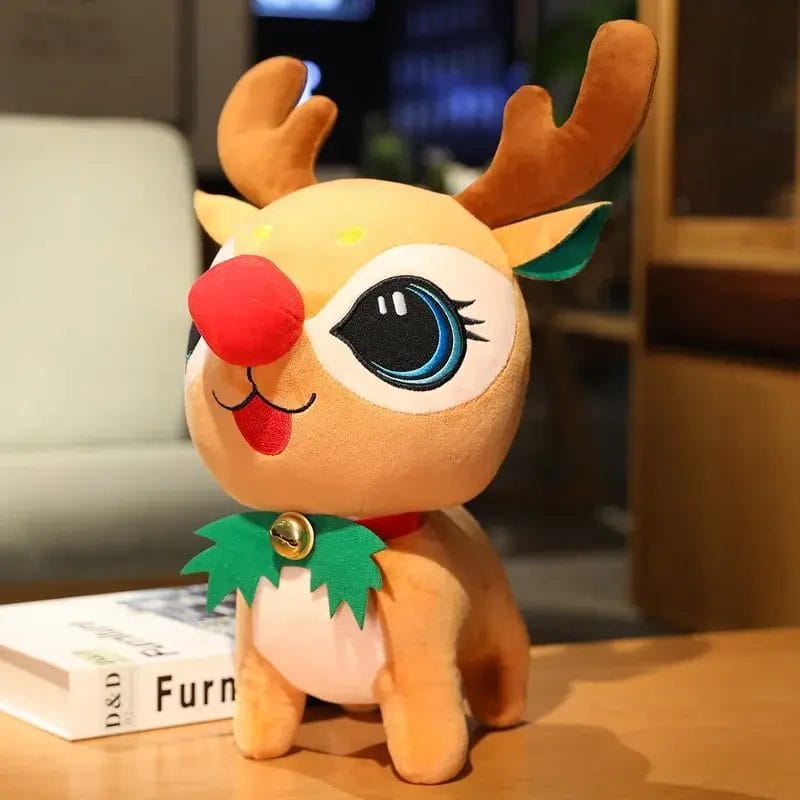
Human Plush vs. Pet-Safe Plush: The Critical Safety Differences
Many pet owners mistakenly toss old children’s teddy bears to their puppies. The table below highlights why dedicated pet-engineered plushies are essential for animal safety:
| Feature | Standard Human Plush Toy | Pet-Engineered Safe Plush Toy | Pet Safety Hazard Avoided |
|---|---|---|---|
| Facial Features | Hard plastic button eyes & glued noses | 100% Flat computerized embroidery | Choking & emergency gastrointestinal surgery |
| Inner Lining | Single-layer thin knit backing | Dual-layer ballistic ripstop nylon mesh | Prevents rapid tearing and ingestion of fabric |
| Seam Construction | Standard single-stitch polyester thread | Double-folded cross-stitched reinforced Kevlar binding | Resists tooth puncture and seam ripping |
| Internal Fillings | Dense loose batting or plastic bean pellets | Zero-stuffing (Stuffing-Free) or enclosed squeakers | Intestinal bowel impaction from plastic beads |
| Acoustic Modules | Fragile plastic squeakers or battery boxes | Puncture-proof squeakers (keeps squeaking when punctured) | Battery acid poisoning and sharp plastic shards |
Top Features to Look for When Buying Pet Plush Toys
When selecting plush toys for dogs and cats, prioritize these veterinarian-approved features:
- “Chew-Guard” Ripstop Mesh: High-quality dog plushies fuse an inner layer of military-grade ballistic nylon or tough canvas directly behind the soft exterior fur, creating a puncture-resistant barrier against sharp teeth.
- Stuffing-Free Designs: For persistent shredders, “no-stuffing” plushies feature floppy, flat animal shapes with multiple internal squeakers. If the outer fabric is breached, there is zero messy white fluff for your dog to swallow.
- Puncture-Proof Ultrasonic Squeakers: Premium squeakers continue to squeak even after being pierced by canine teeth, keeping your dog engaged without needing immediate replacement.
- Heartbeat Cuddle Companions for Puppies: For new puppies experiencing separation anxiety during crate training, plush toys with battery-operated pulsing heartbeat modules and reusable heat packs mimic sleeping beside littermates, drastically reducing night-time whining.

Interactive Enrichment: Scent Puzzles & Hide-and-Seek Plushies
Beyond simple fetch, modern pet owners use plush toys for mental stimulation through interactive puzzle designs:
- “Hide-and-Seek” Burrow Plushies: Toys consisting of a plush hollow log, tree trunk, or volcano containing 3 to 6 squeaky plush squirrels, hedgehogs, or dinosaurs. Dogs must use their muzzle and paws to extract each plush creature, exercising problem-solving cognition.
- Snuffle Mat Plushies: Plush toys featuring fabric ruffles, folded pockets, and hidden felt flaps where owners hide dry kibble or treats, encouraging calming olfactory foraging.
- Kicker Pillows for Cats: Elongated 30cm cat plushies infused with silvervine and valerian root designed specifically for cats to wrap their front paws around while rabbit-kicking with back claws.
- Wand-Attached Flying Plushies: Soft plush birds with real feather tails attached to elastic cords that allow owners to simulate erratic prey flight for energetic indoor cats.
Special Considerations for Senior Pets & Teething Puppies
Different life stages require specialized plush companion designs:
- Teething Puppies (8 to 24 Weeks): Puppies experience intense gum inflammation. Plush toys combining soft fleece with attached textured natural rubber or silicone rings provide cooling relief when pre-chilled in the freezer.
- Senior Dogs with Arthritis: Older arthritic dogs often suffer from cold joint stiffness. Soft microwavable heat plushies filled with natural flaxseed provide gentle penetrating warmth to aching hips while serving as cozy chin rests.
- Resource Guarding Management: In multi-dog households, provide multiple duplicate plushies and rotate toys daily to prevent territorial resource guarding between dogs.
Cleaning & Maintaining Pet Plush Toys
Pet toys accumulate saliva, dirt, bacteria, and dust mites rapidly. Maintain optimal hygiene with these tips:
- Weekly Hot Cycle Wash: Place pet plushies inside a mesh wash bag and machine wash at 40°C–60°C on a gentle cycle. Use natural, fragrance-free laundry detergents (avoiding fabric softeners or essential oils like tea tree or eucalyptus, which are toxic to dogs and cats).
- Baking Soda Pre-Soak: For heavily soiled or smelly toys, pre-soak in warm water with 1 cup of sodium bicarbonate (baking soda) for 30 minutes before washing to eliminate stubborn enzymatic pet odors.
- Daily “Retire & Repair” Inspection: Inspect toys daily. If seams tear open exposing stuffing or loose squeakers, immediately remove the toy and either repair it with heavy-duty thread or discard it.
Treat Your Furry Best Friend
Discover ultra-soft, safe, and engaging plush toys and cuddle companions designed to bring boundless joy and comfort to pets of all shapes and sizes.
Frequently Asked Questions (FAQs)
Why do dogs carry plush toys around without destroying them?
This gentle carrying behavior stems from ancestral instincts (especially in retriever and herding breeds) to carry items softly without damaging them. For dogs, holding a soft plush toy provides emotional comfort and satisfies maternal or companionship instincts.
Are plush toys safe for aggressive power chewers?
No plush toy is 100% indestructible against aggressive power chewers. For determined chewers, choose reinforced ballistic nylon plushies with zero loose stuffing and double-stitched seams, and always supervise playtime closely.
Can cats play with small dog plush toys?
Yes, provided the dog plush toy has no hard plastic eyes, long strings, or heavy weight. Cats enjoy lightweight, floppy plushies that they can easily bat across hardwood floors or grasp with front paws while bunny-kicking.
How do I re-potentiate catnip plush toys when the scent fades?
Place the plush toy inside an airtight zip-lock container containing 2 tablespoons of fresh, organic dried catnip or silvervine. Let it infuse for 48 hours to fully recharge the aromatic essential oils.
Can I wash a pet plush toy that contains a squeaker?
Yes. Plastic pet squeakers are sealed and waterproof. Wash the toy inside a mesh bag on a cold/warm gentle cycle and air dry thoroughly in direct sunlight or in a well-ventilated room.
What should I do if my dog swallows plush toy stuffing?
If your dog ingests a significant amount of polyester stuffing or a plastic squeaker, monitor closely for signs of gastrointestinal blockage (vomiting, lethargy, loss of appetite, abdominal pain) and contact your veterinarian immediately.
What are the best plush toys for teething puppies?
Teething puppies benefit from plush toys combining soft plush bodies with attached textured silicone or natural rubber teething rings that massage tender gums while providing cuddle comfort.
How often should I discard and replace pet plush toys?
Inspect toys weekly. Discard any plush toy once internal ballistic lining is breached, when plastic squeakers become loose, or when fabric frays significantly to prevent accidental ingestion.
Conclusion: The Gift of Soft Companionship for Pets
Soft plush toys enrich our pets’ lives with mental stimulation, instinctual fulfillment, and heartwarming cuddle comfort. By selecting thoughtfully constructed, pet-safe plushies with embroidered details and durable reinforced seams, you ensure countless hours of joyful, safe play for your beloved companion. Explore the collection at Plush Toys Australia today.