
Age-by-Age Plush Toy Selection Summary
- 0–12 Months (Infants): High-contrast colours, machine-washable Minky textures, and 100% embroidered facial features meeting AS/NZS ISO 8124 (zero plastic button eyes).
- 1–3 Years (Toddlers): Lightweight cuddle buddies (20cm–30cm), washability, soft animal shapes, and attached silicone teethers for oral exploration.
- 4–7 Years (Preschool & Early Primary): Role-play companions, interactive sound/light plushies, and imaginative creatures that encourage storytelling and emotional empathy.
- 8–12 Years (Preteens): Pop culture mascots, gaming characters, reversible mood plushies, and quirky novelty food plushies.
- 13+ Years & Adults (Teens & Collectors): Anime figures, weighted sensory plush toys, giant body pillows, and limited-edition designer art plushies.
Choosing the ideal plush toy is an art that blends child development psychology, tactile sensory needs, and age-appropriate safety standards. While a newborn requires hypoallergenic, lightweight textures with zero detachable parts, a ten-year-old might crave a quirky anime character to decorate their gaming desk, and a university student might seek a weighted companion for exam anxiety relief. Plush toys evolve alongside us, fulfilling distinct developmental, emotional, and social functions at every stage of life.
Throughout childhood, soft toys act as confidants, learning aids, transitional anchors, and canvases for imaginative role-play. In adulthood, they transition into comforting wellness tools, aesthetic design accents, and nostalgic treasures. However, selecting an inappropriate plush toy—such as giving a toy with loose button eyes to a teething six-month-old, or buying an overly large giant bear for a toddler who cannot lift it—can create frustration or safety hazards.
In this comprehensive age-by-age buying guide, we explore the developmental milestones for each age bracket from infancy through adulthood, outline the specific safety and design features to prioritize, and provide concrete recommendations to ensure your chosen plush toy delivers maximum joy, developmental value, and safety across every chapter of life.
Developmental Stages: How Children Interact with Plush Toys
Direct Answer: Children progress from purely tactile and oral exploration of plush toys during infancy (0–12 months) to symbolic pretend play and emotional self-regulation in toddlerhood (1–4 years), social-emotional storytelling in school years (5–10 years), and identity expression and aesthetic collecting in adolescence and adulthood.
Child psychologists divide soft toy interaction into four distinct developmental phases, each characterized by specific cognitive, motor, and emotional milestones:
- Sensory-Motor Exploration (0–12 Months): Infants explore plush toys primarily using their hands, lips, and tongue. Tactile variations, crinkle fabrics, and soft chime rattles provide essential neural stimulation that helps fine-tune sensory pathways in the developing brain.
- Transitional Security & Symbolic Play (1–3 Years): Toddlers adopt a specific plush toy as a “security object” or “lovie” to ease separation anxiety, practicing imitation by feeding, bathing, and tucking their stuffed companion into bed.
- Social-Emotional & Dramatic Play (4–8 Years): Children project complex feelings, fears, and social scenarios onto their plushies, developing empathy, language eloquence, and conflict-resolution skills through open-ended storytelling.
- Identity Expression & Collecting (9+ Years & Beyond): Plushies become symbols of fandom, personal room aesthetics, and comforting stress-relief tools for study desks, dorm rooms, and bedrooms.
Comprehensive Age-by-Age Plush Toy Recommendations
Use this detailed breakdown to select the perfect plush toy for any age group, balancing safety standards with cognitive development:
| Age Bracket | Core Developmental Need | Essential Safety / Design Features | Top Recommended Plush Styles |
|---|---|---|---|
| 0 – 6 Months | Visual tracking & gentle tactile soothing | 100% Embroidered details, ultra-lightweight (<150g), machine washable | High-contrast plush rattles, soft security lovie blankets |
| 6 – 12 Months | Grip strength, teething relief, cause & effect | Short pile non-shedding fur, integrated silicone teething rings, crinkle ears | Sensory animal plushies, textured soft cubes, musical pull plushies |
| 1 – 3 Years | Separation anxiety comfort & early pretend play | Medium size (25–35cm), durable double-stitched seams, resilient PP cotton | Classic teddy bears, soft cuddly puppies, huggable dinosaurs |
| 4 – 7 Years | Imaginative storytelling & emotional expression | Poseable limbs, expressive facial features, themed character outfits | Storybook characters, unicorn plushies, interactive breathing companions |
| 8 – 12 Years | Peer bonding, bedroom personalization & fandom | Trendy aesthetics, tactile novelty textures, reversible emotions | Viral Capybara plushies, food pillows (boba/bread), gaming mascots |
| 13+ & Adults | Stress relief, sleep posture support & collecting | Calibrated weight (1.5–3kg), ergonomic body length (80–150cm), collector detail | Weighted sensory plushies, anime collectibles (Fumo/Sanrio), giant body pillows |
Infancy (0 to 12 Months): Sensory Stimulation & Strict Safety
During the first year of life, infant toys must adhere strictly to Australian Standard AS/NZS ISO 8124. Newborns have delicate respiratory systems and developing motor control. Never place plush toys inside a sleeping cot during unsupervised naps.
For daytime sensory engagement, prioritize:
- High-Contrast Patterns: In the first 3 months, babies see in high-contrast monochromes. Black-and-white striped plush toys or bold primary colours capture their attention during supervised tummy time.
- Multi-Texture Panels: Combining smooth velboa with ribbed corduroy and satin edge loops stimulates the infant tactile cortex, promoting neural mapping of sensory touch.
- Featherweight Construction: Choose toys weighing under 150 grams so that if the infant drops the toy on their chest, it causes no discomfort.
Toddlerhood (1 to 3 Years): The Golden Cuddle & Security Years
Around 18 months, toddlers undergo a massive cognitive leap, recognizing themselves as distinct individuals. This self-awareness often triggers separation anxiety during daycare drop-offs or bedtime. A designated plush toy serves as a crucial emotional anchor.
When selecting toddler plushies:
- Optimal Sizing (25cm to 35cm): Sized perfectly for toddler arms to carry under an elbow without dragging on the floor and picking up germs.
- Machine Washable Durability: Toddler plushies will inevitably be dropped in puddles, covered in applesauce, and dragged across gravel. Ensure 100% polyester fiberfill and reinforced double-lock stitching that survives weekly washing.
- Floppy Limb Ergonomics: Long-limbed bunnies, puppies, or monkeys are easier for small hands to grasp and carry effortlessly.
Preschool & Primary School (4 to 7 Years): Dramatic Pretend Play
Between ages 4 and 7, plush toys transform from passive comfort items into active co-stars in elaborate theatrical adventures. Children create complex dialogue, assign personalities, and use plushies to process real-world anxieties (such as fear of the dark or navigating school friendships).
Top features for this age include plushies with removable clothes, interactive sound modules (like soothing heartbeat or breathing mechanics), and whimsical creatures like dragons, unicorns, and wild safari animals.
Preteens, Teens, and Adults (8 Years to 18+): Fandom & Decompression
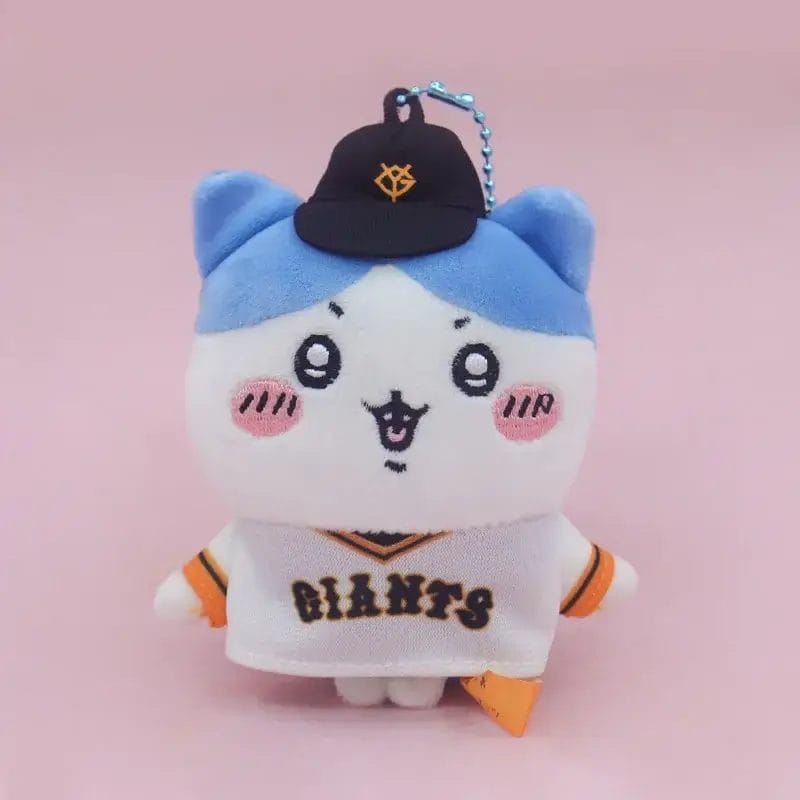
For older children and teens, plush toy preferences shift towards social trends, gaming fandoms, and aesthetic room styling. Gen Z and millennial culture have embraced plush toys as essential lifestyle accessories:
1. The Viral Meme Appeal
Plushies representing viral internet sensations—such as ultra-relaxed Capybara plush toys, moody reversible octopuses, and quirky long-bodied cats—act as social currency and conversation starters among friends.
2. Gaming and Anime Fandoms
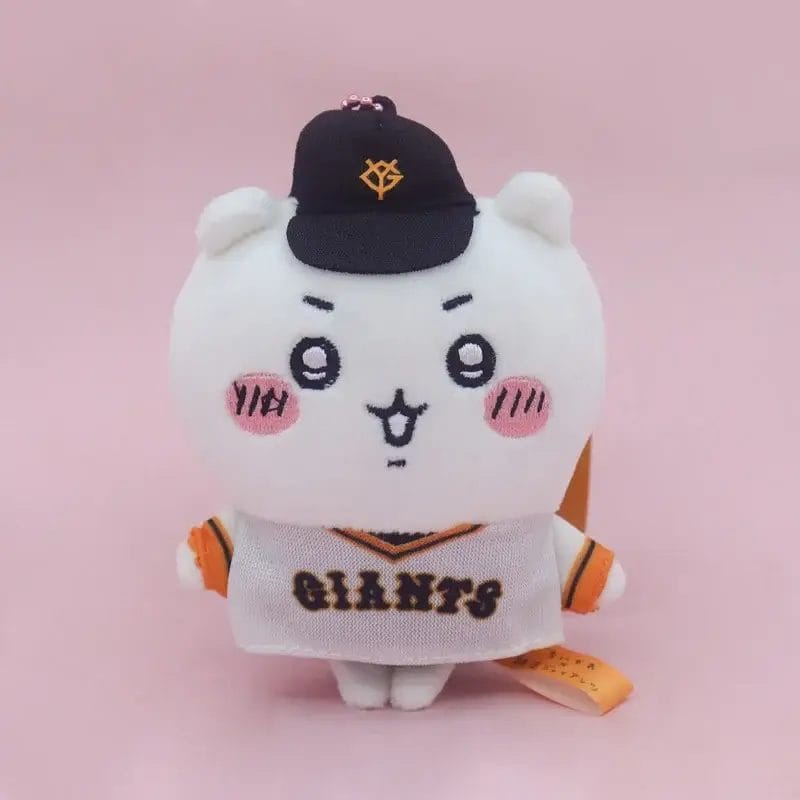
From Pokemon Fit plushies to Sanrio’s Cinnamoroll and Touhou Project Fumo dolls, anime plushies allow teens to express their niche passions and personalize their study spaces and gaming setups.
3. Decompression & Study Companions
Secondary and university students often keep squishy food-shaped plushies (like giant avocado cushions or toasted bread plushies) on their chairs for lumbar support during marathon study sessions, using the tactile squashiness to vent academic stress.
4. Ergonomic Sleep Pillows for Adults
Giant 100cm–140cm cylindrical body plushies (like long caterpillar or dinosaur plushies) provide side sleepers with optimal hip and spinal alignment, relieving lower back pain while offering comforting full-body cuddles.
Find the Perfect Plush Toy for Any Age
From certified baby-safe infant cuddlers to trendy capybaras and rare anime collectibles, explore Australia’s most comprehensive collection of plush toys tailored for every milestone.
Frequently Asked Questions (FAQs)
What size plush toy is best for a 2-year-old?
The ideal plush toy size for a 2-year-old is between 25cm and 35cm (10 to 14 inches) weighing under 300 grams. This size allows toddlers to hug the toy securely, tuck it under their arm, and carry it without tripping.
Are plush toys with plastic eyes safe for 4-year-olds?
Yes. By age 4, children have moved past the intense oral exploratory stage where choking hazards are acute. Quality lock-washer plastic eyes that pass standard tension tests are safe for children aged 36 months and older.
How many plush toys should a child have in their bedroom?
While there is no strict limit, having 2 to 4 primary cuddle companions in bed prevents clutter and promotes better sleep hygiene. Additional collection pieces can be organized on floating wall shelves or in macrame hanging toy hammocks.
Why do teenagers still love receiving plush toys?
Teenagers experience immense academic and social stress. Plush toys offer comforting, non-judgmental tactile comfort, nostalgic security from childhood, and a tangible way to decorate their bedroom according to their favorite anime, gaming, or kawaii aesthetic.
Can plush toys help children cope with doctor visits or vaccinations?
Yes! Bringing a beloved plush toy to medical appointments provides emotional grounding. Doctors and nurses often “examine” the teddy bear first to demonstrate procedures, significantly reducing pediatric fear and needle anxiety.
How do I choose a plush toy for a child with sensory sensitivities?
Look for plush toys made with soothing, short-pile Minky or bamboo fleece without scratchy glitter threads, stiff plastic tags, or hard internal battery boxes. Weighted plushies (1kg to 1.5kg) are particularly beneficial for sensory regulation.
What is the difference between a security blanket and a standard plush toy?
A security blanket (or lovie) consists of a small, flat fabric blanket attached to a lightweight plush animal head. It is designed specifically for babies to hold easily in small hands and absorb comforting parental scents.
Conclusion: A Companion for Every Chapter of Life
No matter where someone is on their life journey—from a newborn taking in their first blurry shapes to an adult navigating the complexities of modern life—a thoughtfully chosen plush toy provides irreplaceable warmth, comfort, and joy. Explore the full curated range at Plush Toys Australia and find the perfect companion today.